Periodontal disease is one of the most common health problems in the world, and while symptoms may start out relatively mild, they can quickly turn dangerous by causing bone deterioration, tooth loss, and much more. At West Lake Dental, we take this threat very seriously, which is why we recommend diligent dental check-ups, hygiene, and other preventive dentistry measures to protect the well-being of your smile. If periodontal disease is already a reality for you, there’s no reason to despair – we offer advanced periodontal treatment options including scaling and root planning for effective, comfortable, and convenient results.
Signs that may indicate the presence of periodontal disease include:
Of course, it's crucial to remember that many cases of periodontal disease may not be identifiable by an untrained eye until they’ve reached more advanced stages. That’s why attending regular check-ups with our Loveland dental office is a must.
Did you know that more than half of Americans have some form of gum disease? Periodontal disease is a bacterial infection caused by plaque that destroys the bone and fibers holding your teeth in place. Some people are more at risk than others. Genetics, smoking, stress, certain medications, diabetes, and inconsistent home care can all raise your risk.
The effects reach beyond your mouth. Periodontal disease can affect blood sugar regulation in diabetics, and it's associated with increased risk for cardiovascular disease, diabetes, rheumatoid arthritis, and preterm birth in pregnant women. Periodontal disease can't be cured, but much like diabetes, it's a chronic condition that can be treated and kept under control. Once bone loss has occurred it's generally permanent, so good disease control is a team effort that depends on effective oral hygiene at home and regular office visits to monitor and maintain your gums and bone levels.
The first step in treating periodontal disease is a scaling and root planing (SRP) procedure. The goal is to stop the progression of the disease by cleaning and disinfecting the roots of your teeth above and below the gumline. Treatment takes place over one or two visits, and your hygienist will use a local anesthetic to keep you comfortable throughout.
To address the bacterial infection itself, your hygienist uses an antibacterial rinse during treatment, and in most cases we'll have you take systemic antibiotics to continue killing bacteria afterward. You'll also receive customized home care instructions, which often include a medicated rinse. After three to four months, you'll return for a re-evaluation so we can check your progress and healing. From there, you'll move into Periodontal Maintenance to keep the disease well managed.
How often you come in for Periodontal Maintenance depends on how you respond to that initial therapy. Studies show that after scaling and root planing, it takes only three to four months for bacteria to accumulate in the pockets between your gums and roots. Most patients stay healthy on a three to four month maintenance schedule.
At each Periodontal Maintenance appointment, your hygienist cleans and disinfects above and below the gumline, measures bone levels, and takes x-rays. If we see that an area of your mouth has begun to relapse, we'll make recommendations to address it. If there's no relapse, your maintenance schedule is doing its job and keeping things stable. One practical note: dental insurance often treats periodontal services such as Periodontal Maintenance and SRP as patient responsibility rather than covering them the way it covers regular preventive care.
You may be wondering how a Periodontal Maintenance differs from a regular cleaning. A regular cleaning (a prophylaxis, or prophy) is typically recommended every six months for patients with healthy gums and bone levels and little to no bleeding during probing. At that appointment, the hygienist removes stain, soft plaque, and hard calculus (tartar) above the gumline, takes x-rays, and checks for cavities.
Because a prophy stays above the gumline, regular cleanings aren't sufficient treatment for patients with gum disease. We also don't recommend alternating between Periodontal Maintenance and regular cleanings, since regular cleanings don't address what's happening below the gumline. Once you've done the hard work of getting gum disease under control, the last thing you want is to let it come back.
Finding out you have a chronic condition that requires ongoing care can feel overwhelming. With excellent home care and a team effort alongside your hygienist at our office, gum disease is very manageable. Keeping your gums and bone healthy matters, because your teeth and your overall health depend on it.
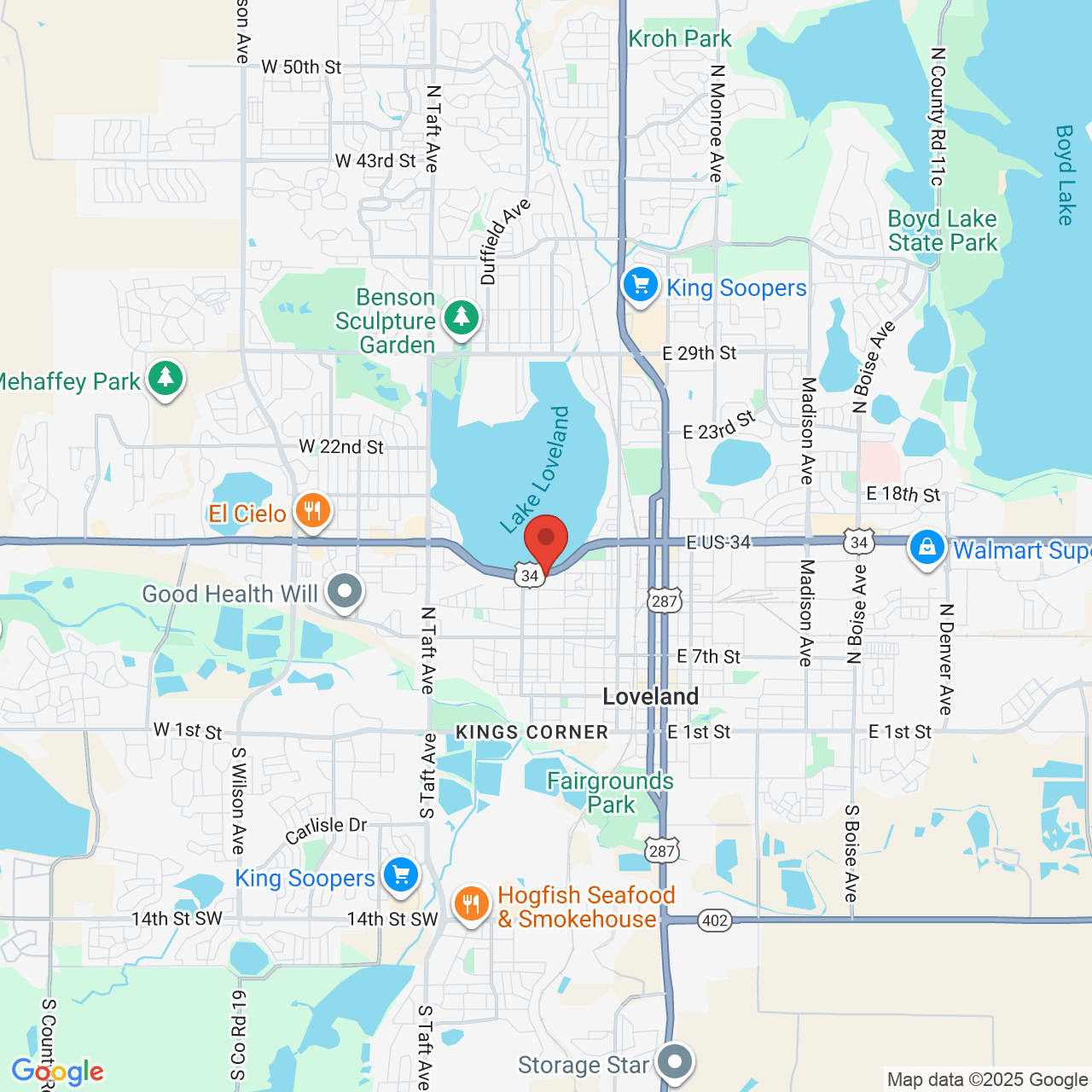
Reclaim your oral health today with our team’s help! Contact West Lake Dental if you have any questions about periodontal treatment, or if you’d like to schedule your first evaluation. We’re located in Loveland, CO, and we also welcome new patients from the nearby areas of Fort Collins, Berthoud, and beyond.
At West Lake Dental in Loveland, CO, Andy Maples, DDS, and his team provide excellent dental care to patients of all ages. Whether your dental needs are routine or advanced, we can serve you at our comfortable, inviting office. Dr. Maples is affiliated with several prestigious organizations, including:
We invite you to schedule an appointment today by calling (970) 669-1444.